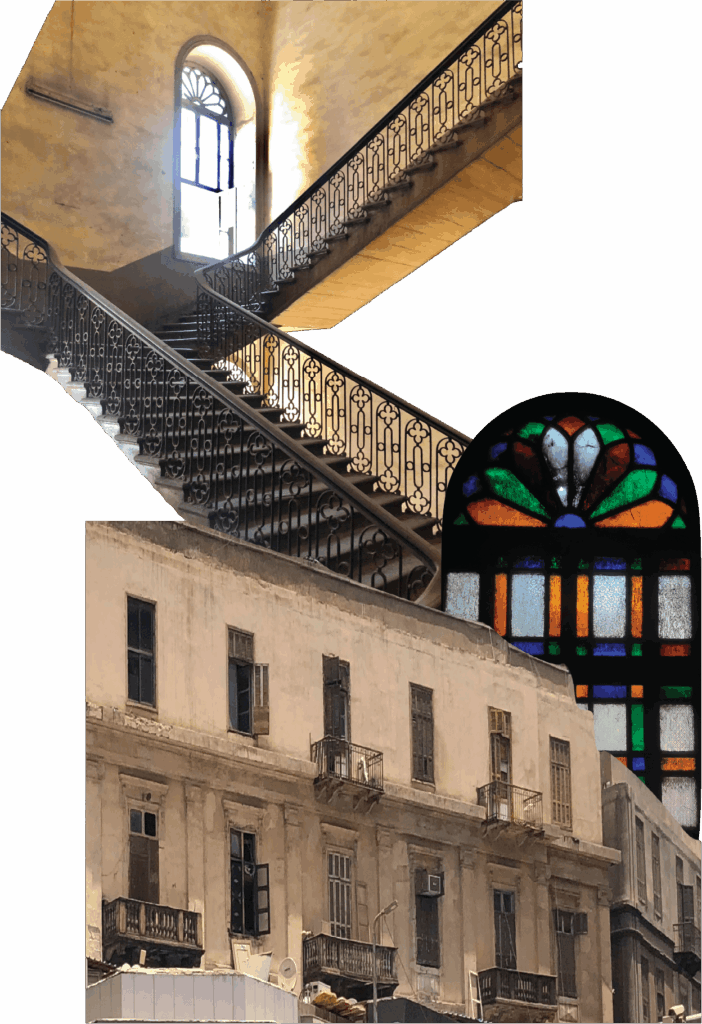
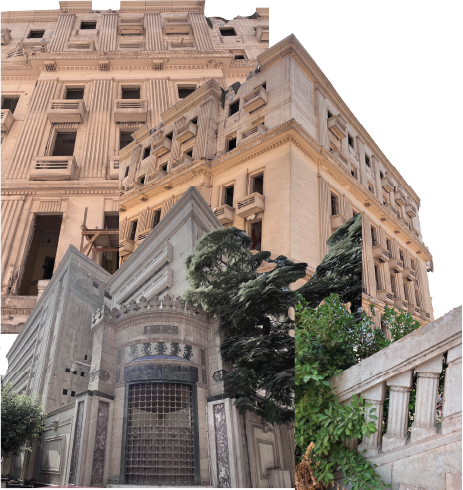
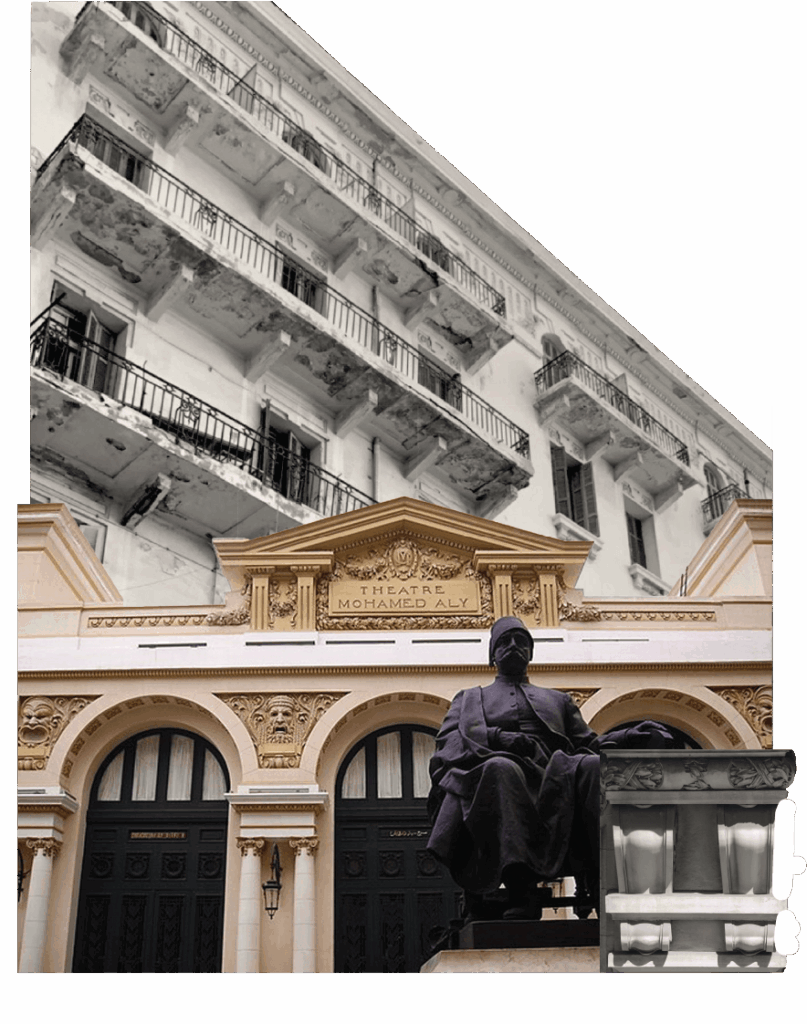
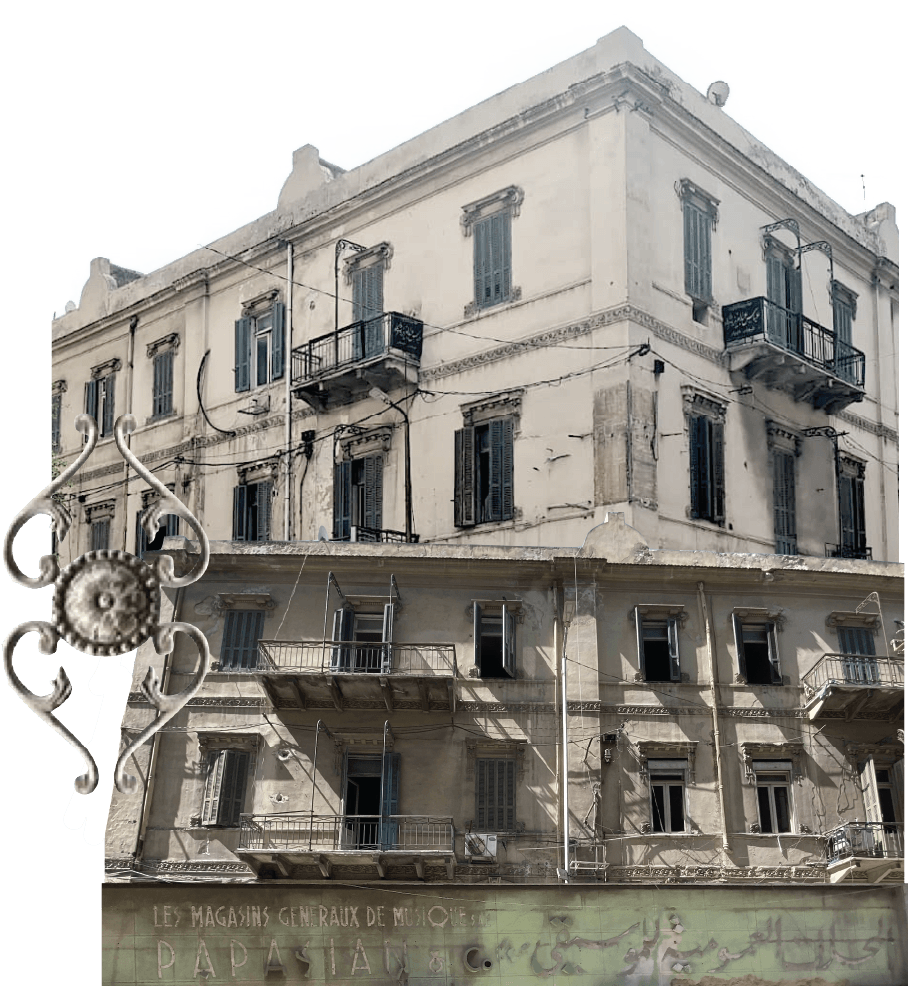
The Al-Seyoufi Pasha family established a block of four 19th-century buildings in downtown Cairo (1885–1890) for offiwaqf, the property generated income for family needs, public services, and charity, reflecting a widespread philanthropic practice of endowment in that era.ces, shops, and hotels. Later registered as awaqf, the property generated income for family needs, public services, and charity, reflecting a widespread philanthropic practice of endowment in that era.
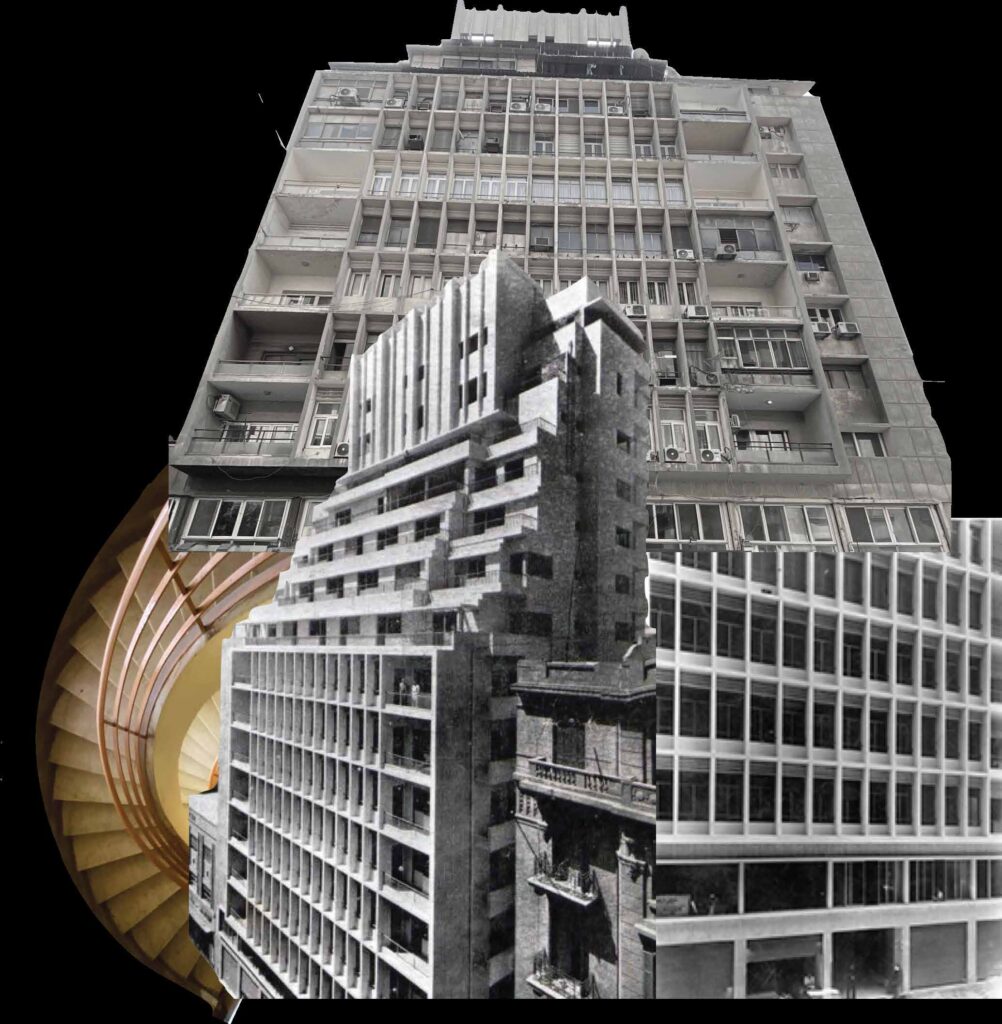
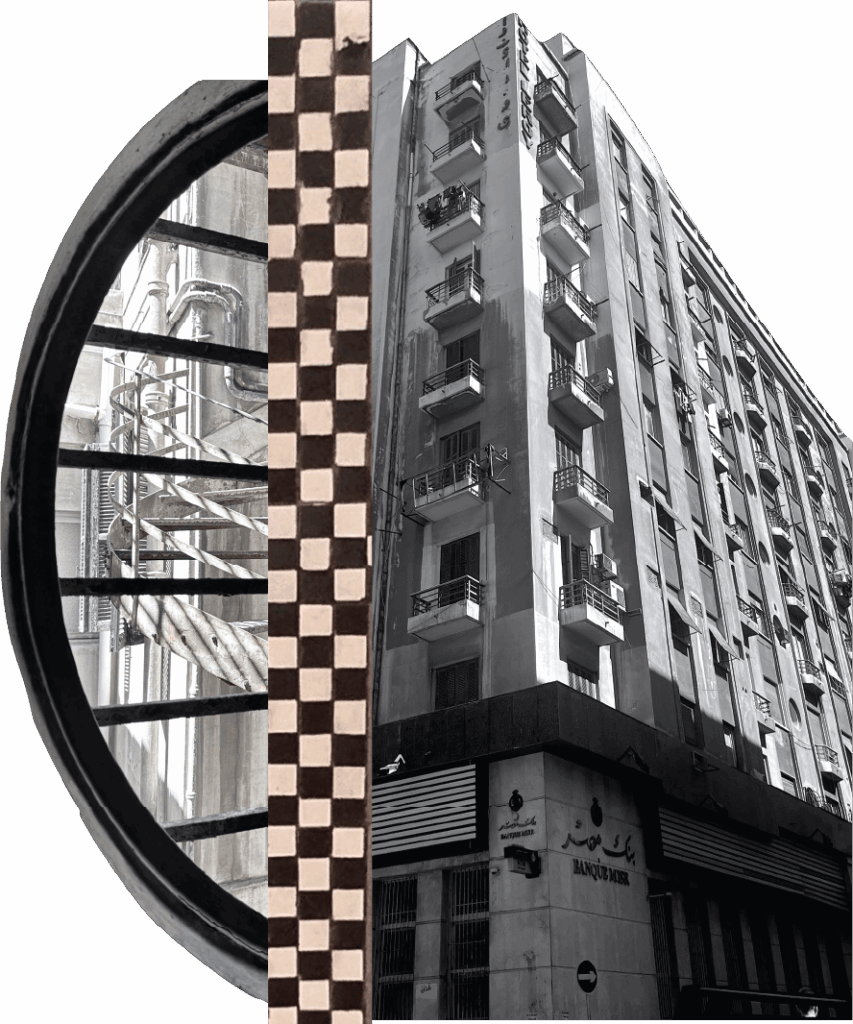
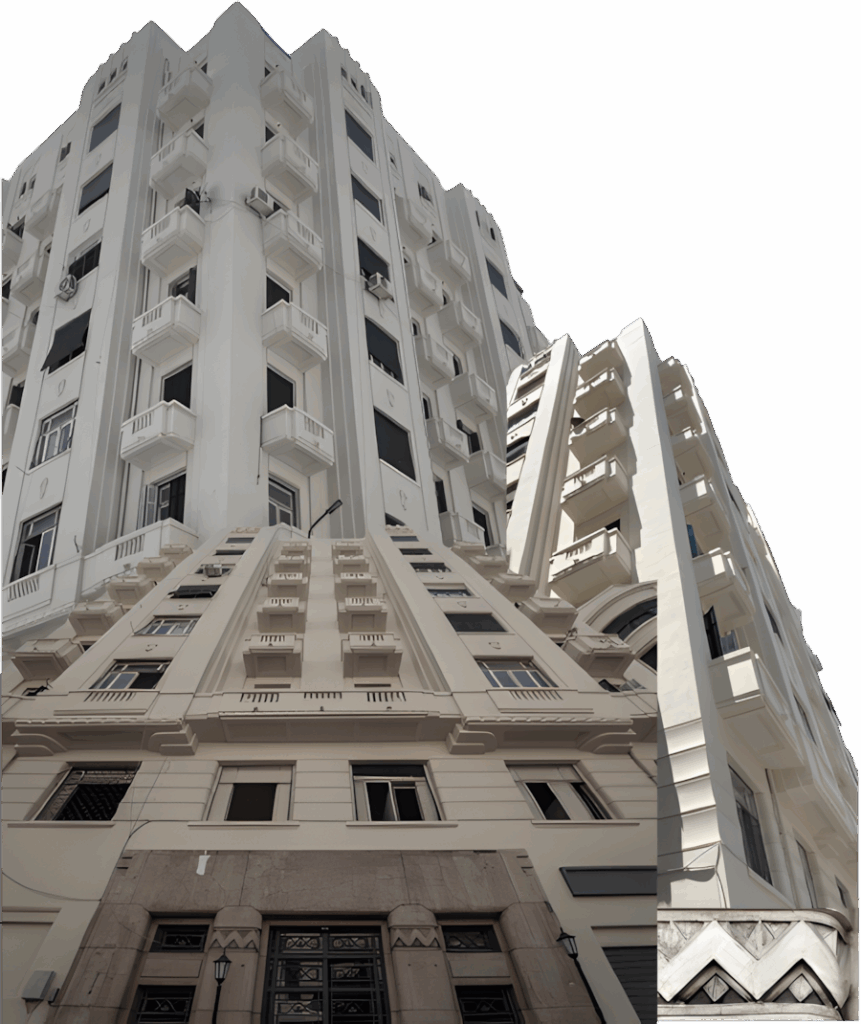
Ouzounian, a 1950 modernist landmark by architect Sayed Karim, stands on Talaat Harb Street, offering tech-savvy travelers’ practical accommodations and rooftop views. Once Cairo’s tallest building, it embodies the city’s modernist movement and vibrant downtown energy, surrounded by iconic cafes, cultural venues, and historical attractions with metro access nearby.
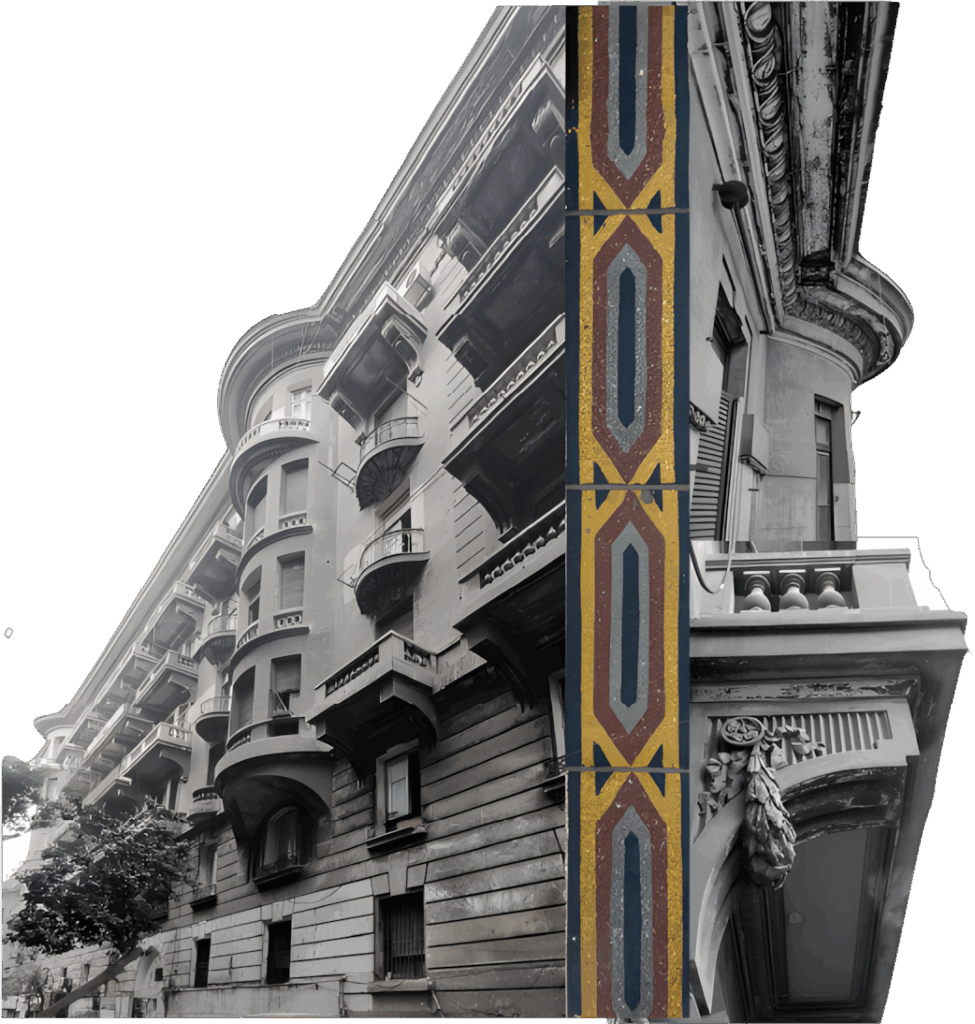
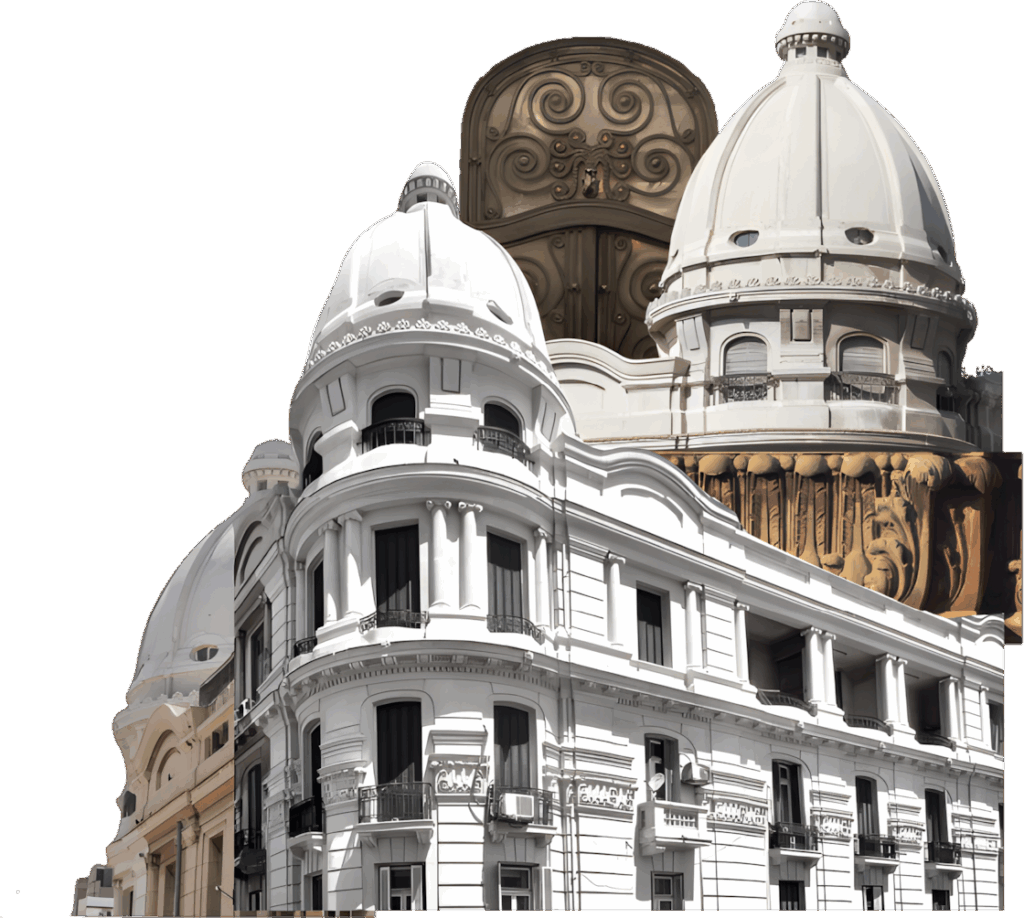
Bidair House, a 1926 Neo-Baroque landmark by architect Georges Parcq, anchors Talaat Harb Street’s vibrant cosmopolitan energy. Built for statesman Mohamed Bidair, it reflects Egypt’s historical diversity and entrepreneurial spirit. Steps from cultural attractions, dining, and metro access, it remains a hub for professionals, creatives, and entrepreneurs in downtown Cairo.
Lazoghly redefines downtown Cairo, blending work, play, creativity, and culture into a vibrant urban oasis. It’s where Cairo’s rich past meets its dynamic future, offering spaces to connect, unwind, and grow. A unique destination where every moment inspires without the noise, pollution, chaos that characterise Downtown Cairo.
Avierino Building, a 1928 Neo-classical landmark by architect Petros Nicolas Griparis, stands on Fouad Street near Alexandria’s cultural and historical landmarks. Reimagined as a catalyst and microcosm of a thriving modern Alexandria, it blends elegant heritage with modern functionality, serving diverse lifestyle and business needs.
Cordahi House, a 1920s Neo-Renaissance landmark by Georges Parcq, blends heritage and modernity. Located on Fouad Street near Alexandria Opera House, it offers diverse suites, modern hospitality, and proximity to historical, business, and entertainment hubs.
Wekalet Aghion, a circa 1860 mixed-use landmark inspired by Milanese Galleria and Arabic Wekala styles, stands at Fouad and Nébi-Daniel Streets. This accessible hub integrates heritage, urban design, and modern amenities, fostering creativity and supporting Alexandria’s growing community of creative professionals through educational, professional, and cultural services
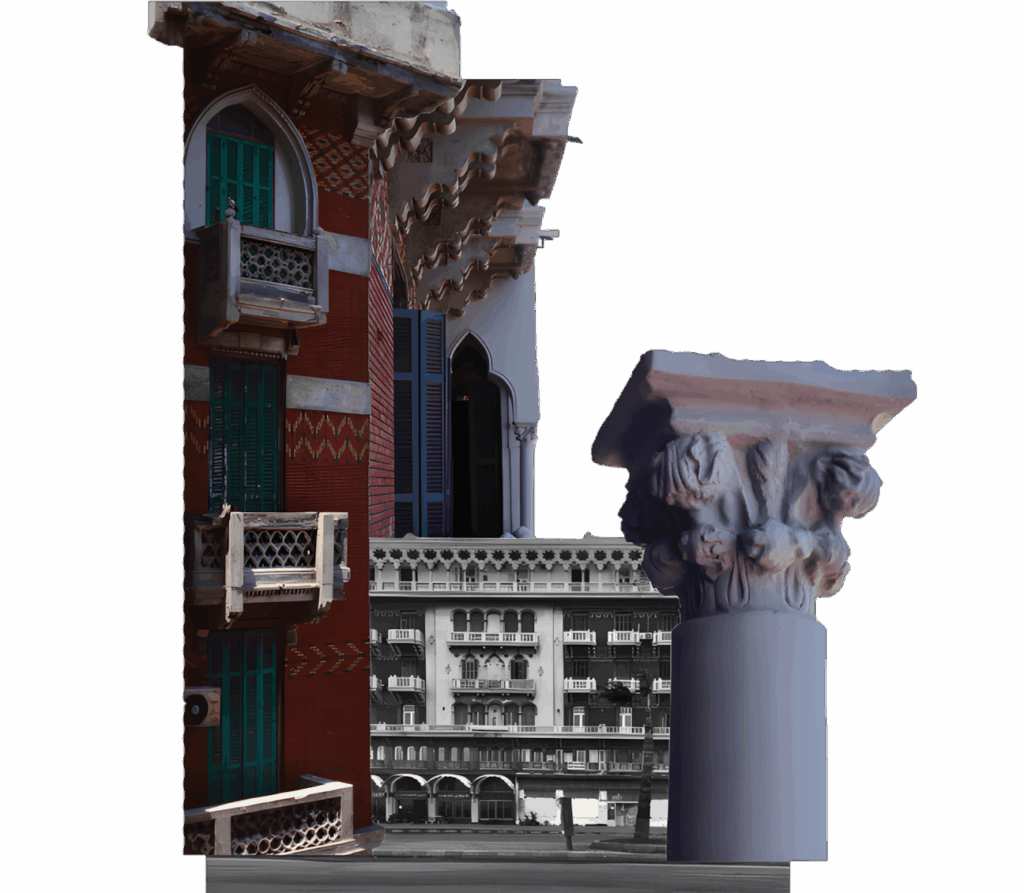
Little Venice, a 1928 Gothic Venetian-style landmark by Giacomo Alessandro Loria, blends heritage and modernity. Located on Alexandria’s Grand Corniche, it offers studios, hospitality, and retail outlets, combining elegant architecture, urban design, and waterfront charm near cultural and entertainment hubs.
Leroy, a 1930s International Style landmark by architect Henry Bernau, caters to independent business travellers. Situated at Sesostris and Talaat Harb Streets, near Alexandria’s cultural and transport hubs, it blends heritage and modernity, offering a dynamic ecosystem for business and leisure in the heart of the city.
Menasce, a 1936 International Style landmark by Gaston Aghion with Art Deco elements, stands at Tareeq Al-Horriya and Nabi Daniel Streets. Near Alexandria’s business and cultural hubs, it offers exceptional hospitality for savvy travellers seeking efficiency, quality, and practicality in a vibrant urban setting.
Heliopolis, established in 1905 by the Heliopolis Oases Company, was a pioneering urban project northeast of Cairo. Spanning 25 square kilometers, it introduced a European-style lifestyle with wide boulevards, gardens, and open spaces. Known for its hotels, amusement parks, and leisure venues, it quickly became a popular destination for the middle class, embodying early 20th-century modernity and cosmopolitan charm.
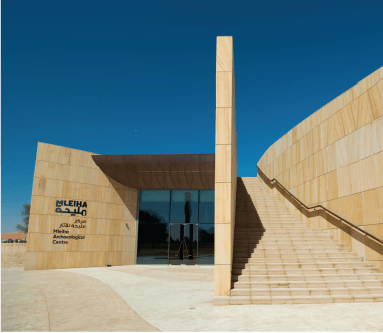
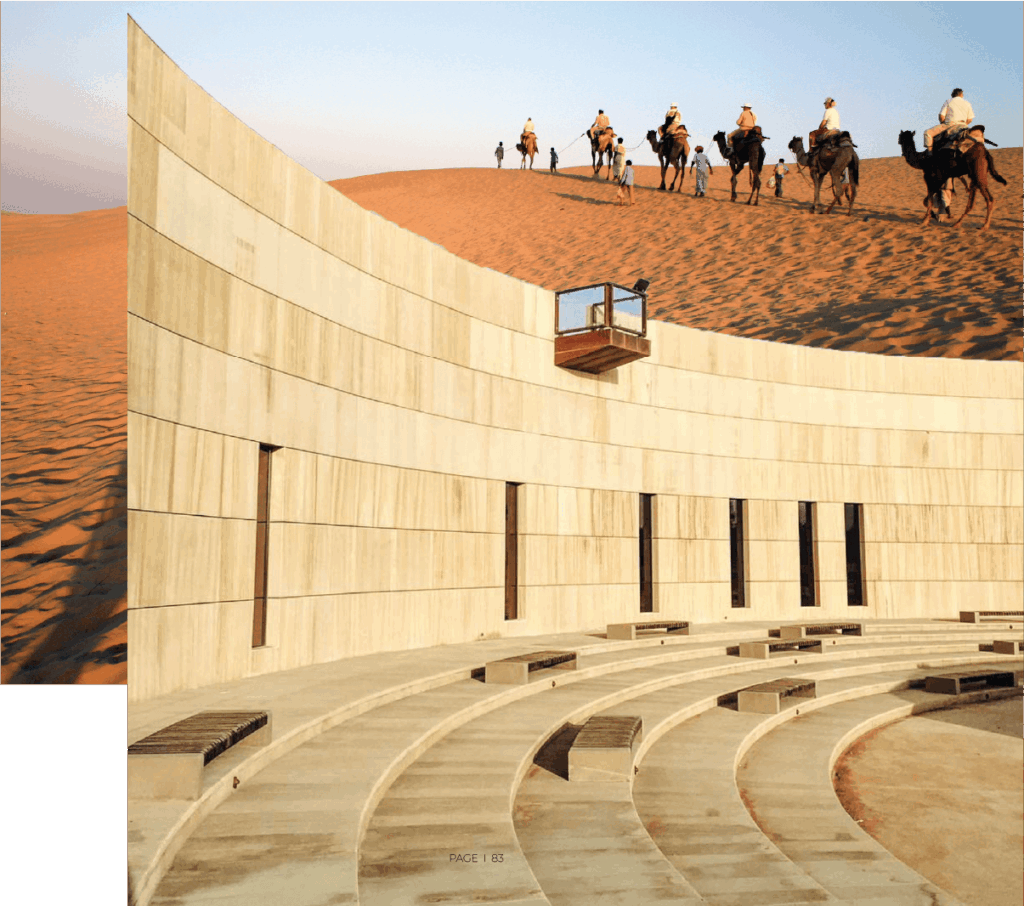
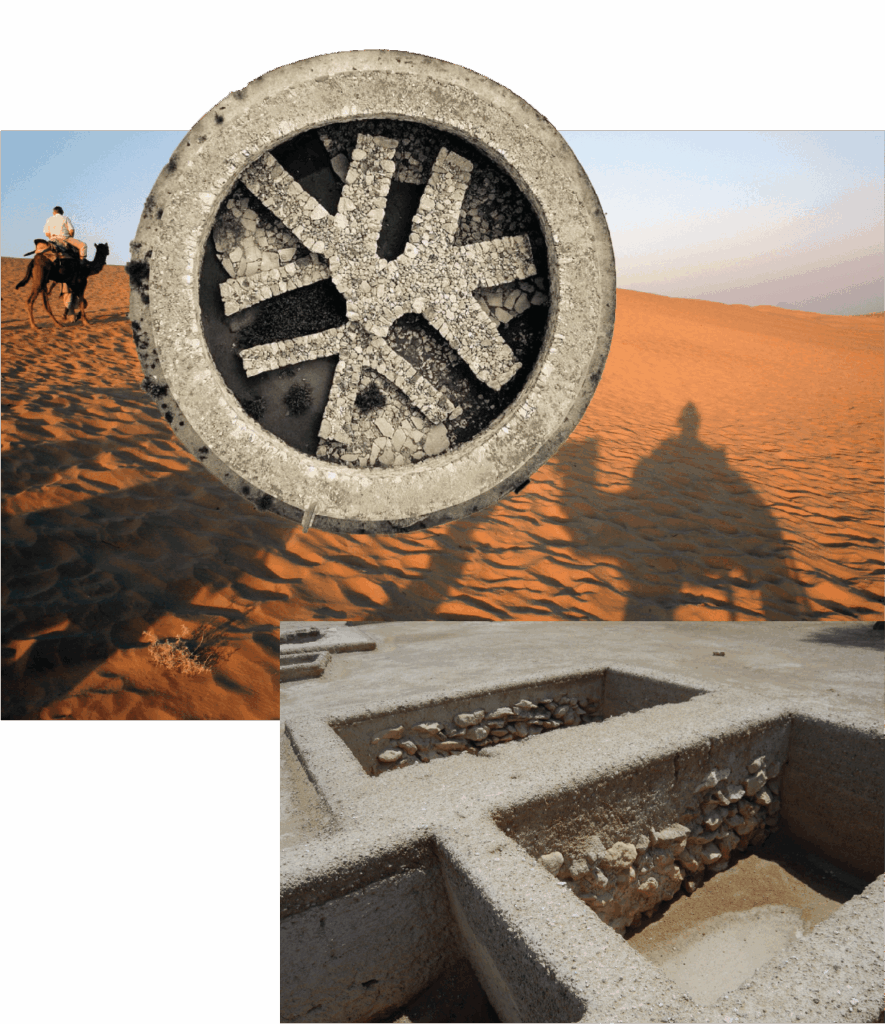
The Mleiha Museum, set amidst Sharjah’s striking desert landscape, showcases the rich history of human settlement in the region. Established to preserve and interpret prehistoric discoveries, it highlights artefacts from the Palaeolithic to pre-Islamic periods.
The ancient sites of Mleiha, Jebel Buhais, Jebel Faya, and Jebel Emeileh span from the Palaeolithic to the Late Pre-Islamic ages, revealing a rich historical and cultural legacy. These sites hold exceptional archaeological significance, showcasing early human settlements, burial grounds, and trade routes that shaped the region’s past. With diverse landscapes ranging from rugged mountains to desert plains, the area also boasts remarkable biodiversity, making it a unique intersection of history and nature
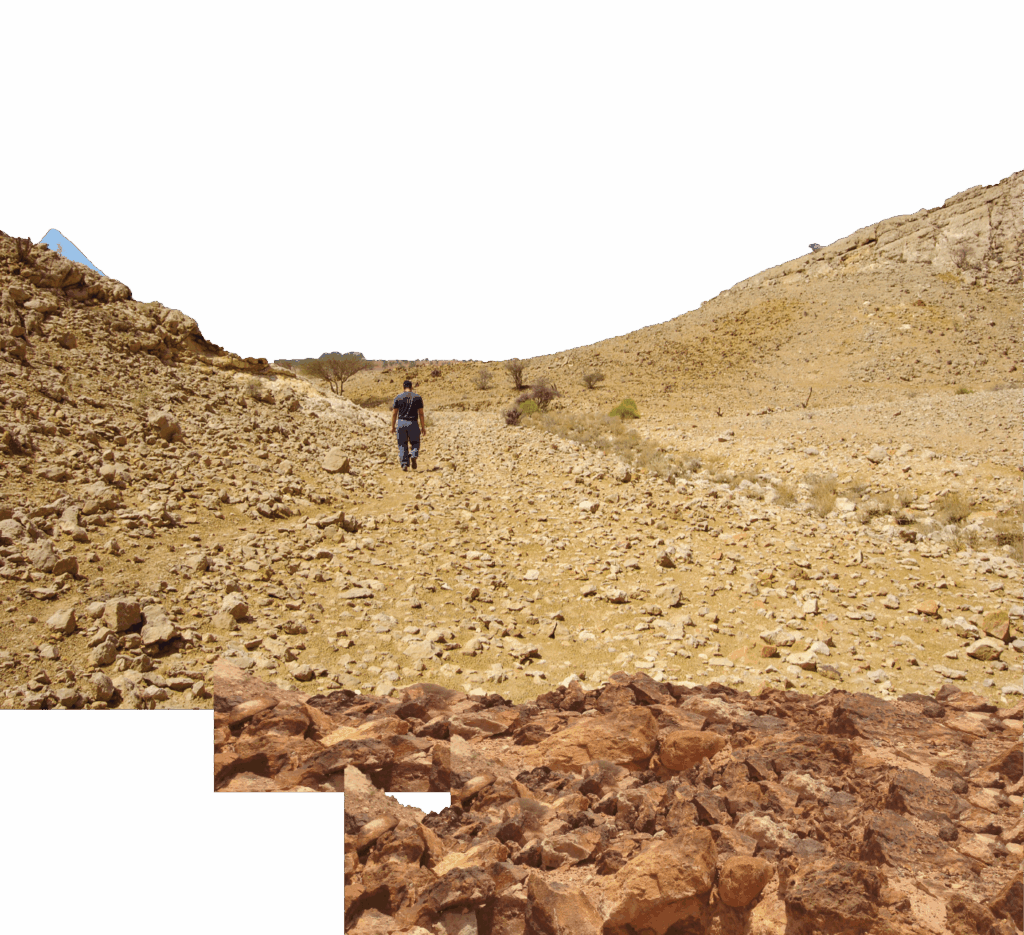
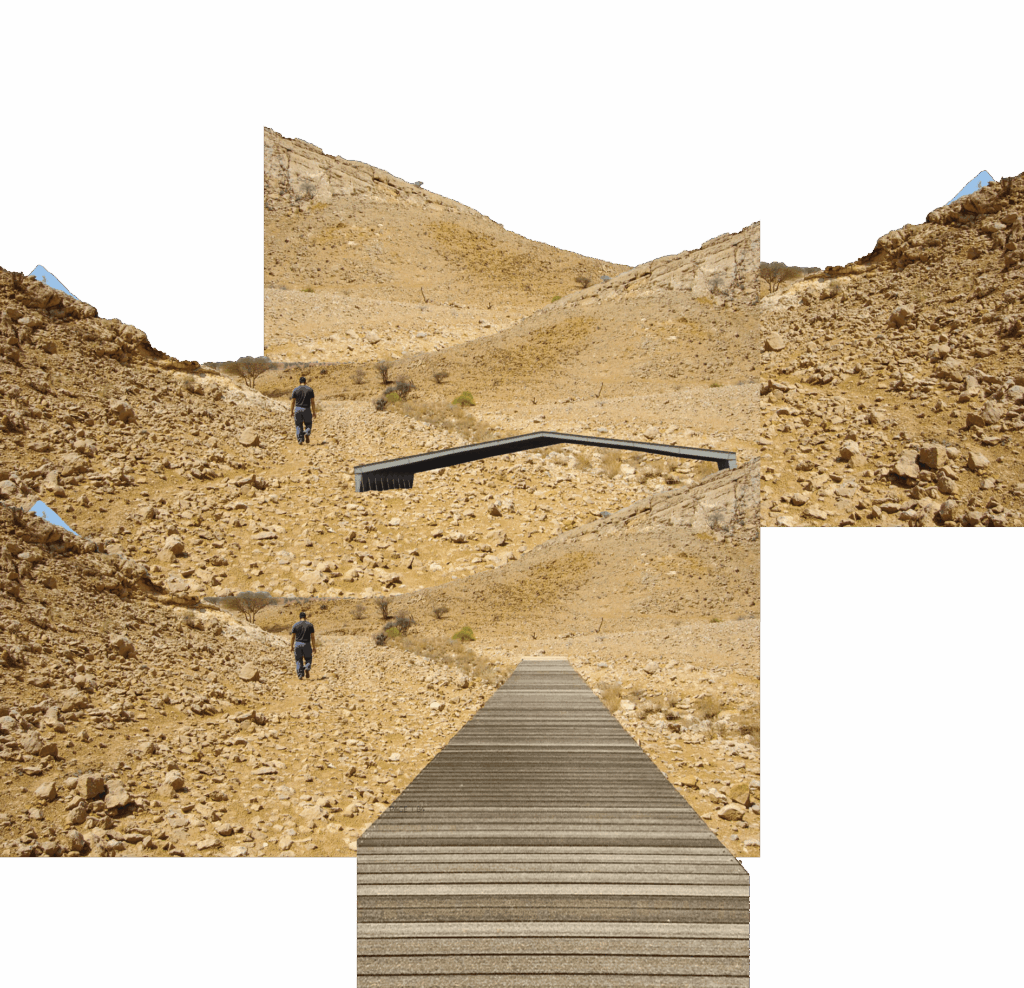
The Valley of the Caves in Mleiha is a remarkable archaeological site where ancient rock formations conceal evidence of early human habitation. Nestled within the rugged desert terrain, these natural caves were once shelters for prehistoric communities, with excavations revealing artefacts, tools, and burial sites dating back thousands of years
The Camel and Horse Tomb at Mleiha is a unique pre-Islamic burial site showcasing the region’s deep equestrian and trading heritage. Discovered near the Mleiha Archaeological Centre, this ancient graveyard contains the remains of camels and horses buried alongside elite individuals, reflecting their high status and symbolic significance in Arabian culture. The site offers valuable insights into the rituals and social structures of Mleiha’s past civilisations.
The Mleiha Fort, a key archaeological landmark in Sharjah, dates back to the late pre-Islamic period and served as a strategic stronghold and administrative centre. Excavations have revealed its defensive walls, watchtowers, and internal structures, suggesting it was a hub for trade and governance. The discovery of artefacts such as coins, pottery, and weapons indicates Mleiha’s role in regiona commerce and military activity.
The Mleiha Palace, an impressive pre-Islamic structure, is one of the most significant archaeological discoveries in the region. Believed to have been the residence of an elite ruler, the palace features fortified walls, courtyards, and administrative chambers, reflecting the political and economic importance of Mleiha during its peak. Excavations have uncovered artifacts such as coins, pottery, and inscriptions, suggesting extensive trade connections with Mesopotamia, Persia, and South Asia
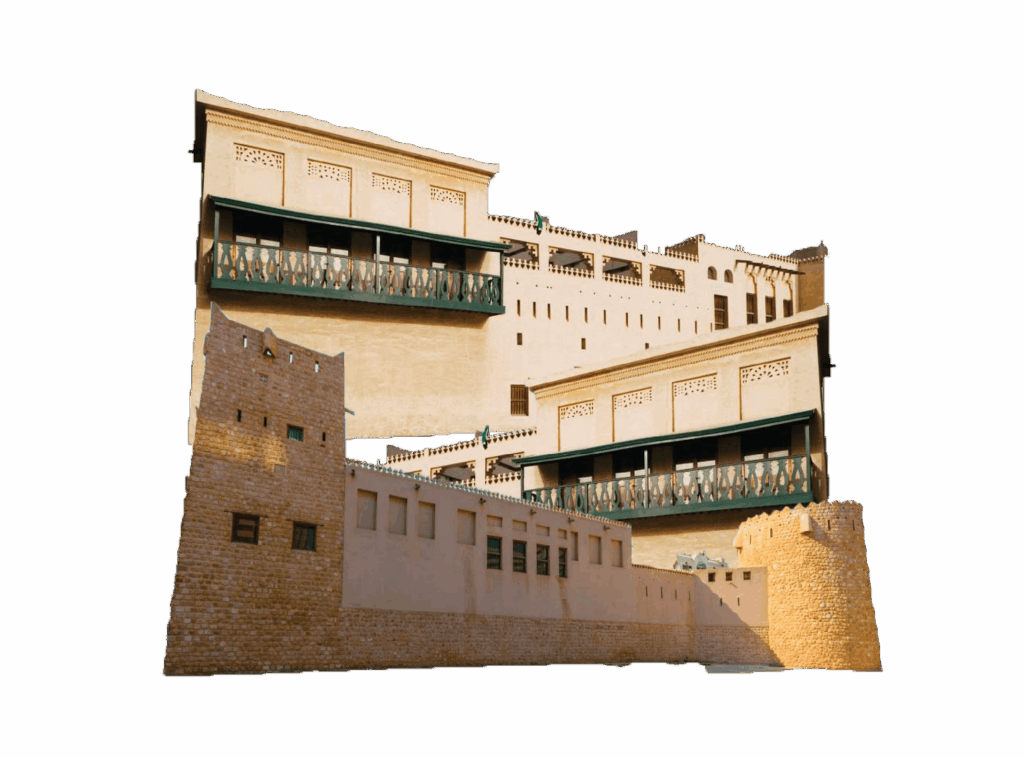
Al Hisn Museum is a historic landmark and former royal residence that showcases Sharjah’s rich heritage. Originally built in the 19th century, the fort served as the ruling family’s residence, a defensive stronghold, and an administrative centre. Today, it houses exhibits on Sharjah’s governance, military history, and daily life, featuring original artefacts, historical documents, and interactive displays that bring
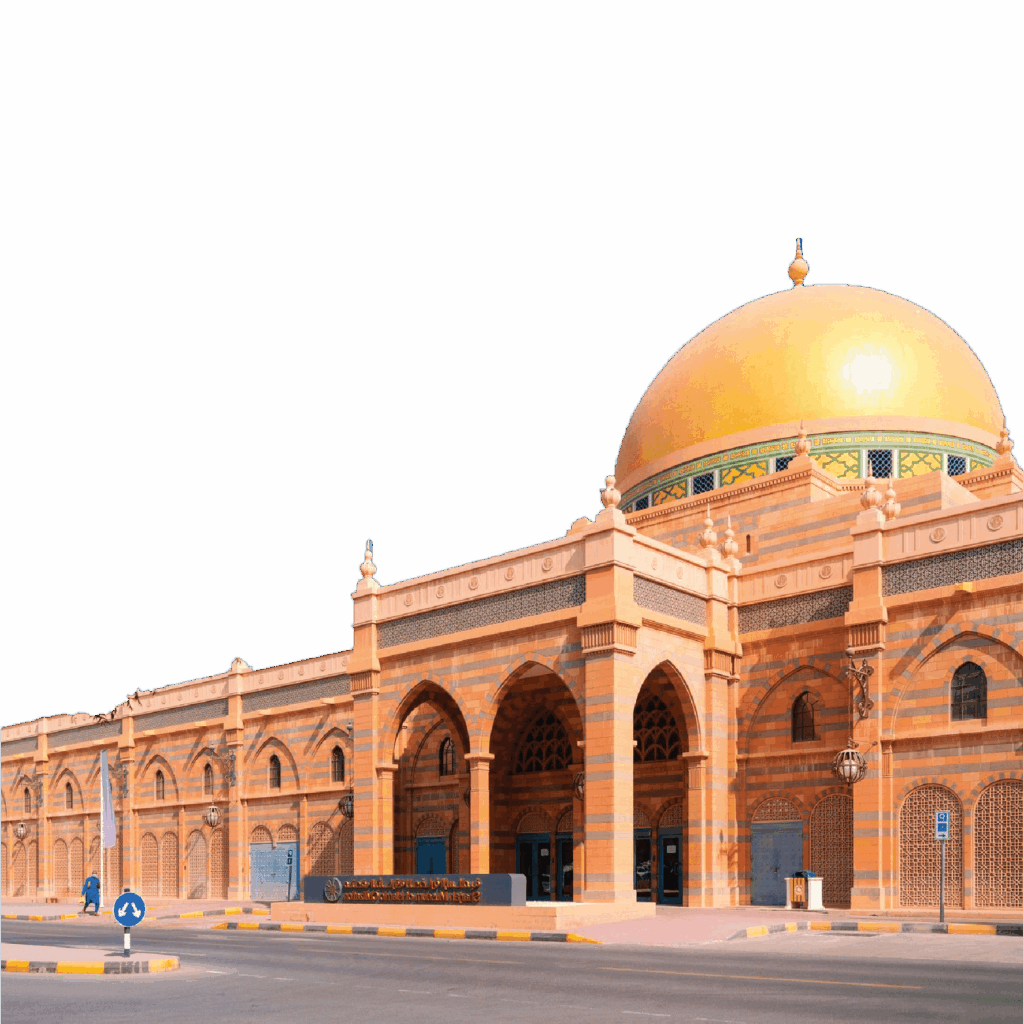
The Sharjah Islamic Art Museum showcases a rich collection of Islamic artefacts, manuscripts, ceramics, metalwork, and textiles spanning centuries. It highlights Islamic artistic heritage, calligraphy, and craftsmanship from across the Muslim world, offering visitors an educational and immersive experience that reflects Sharjah’s commitment to preserving and celebrating Islamic culture.
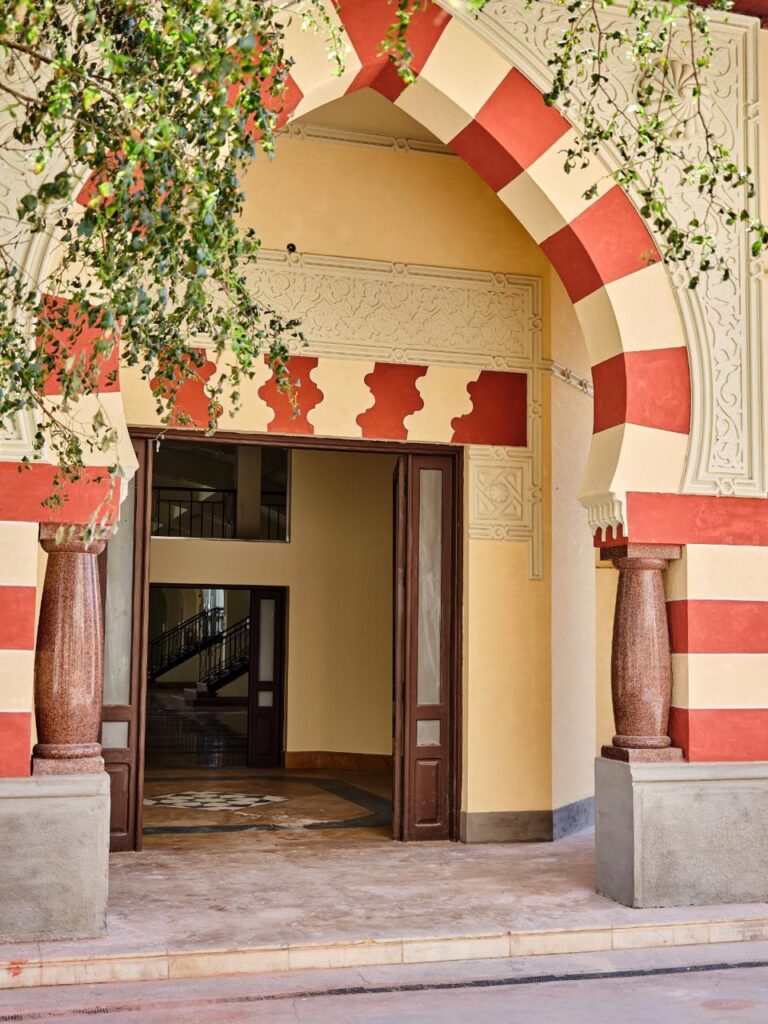
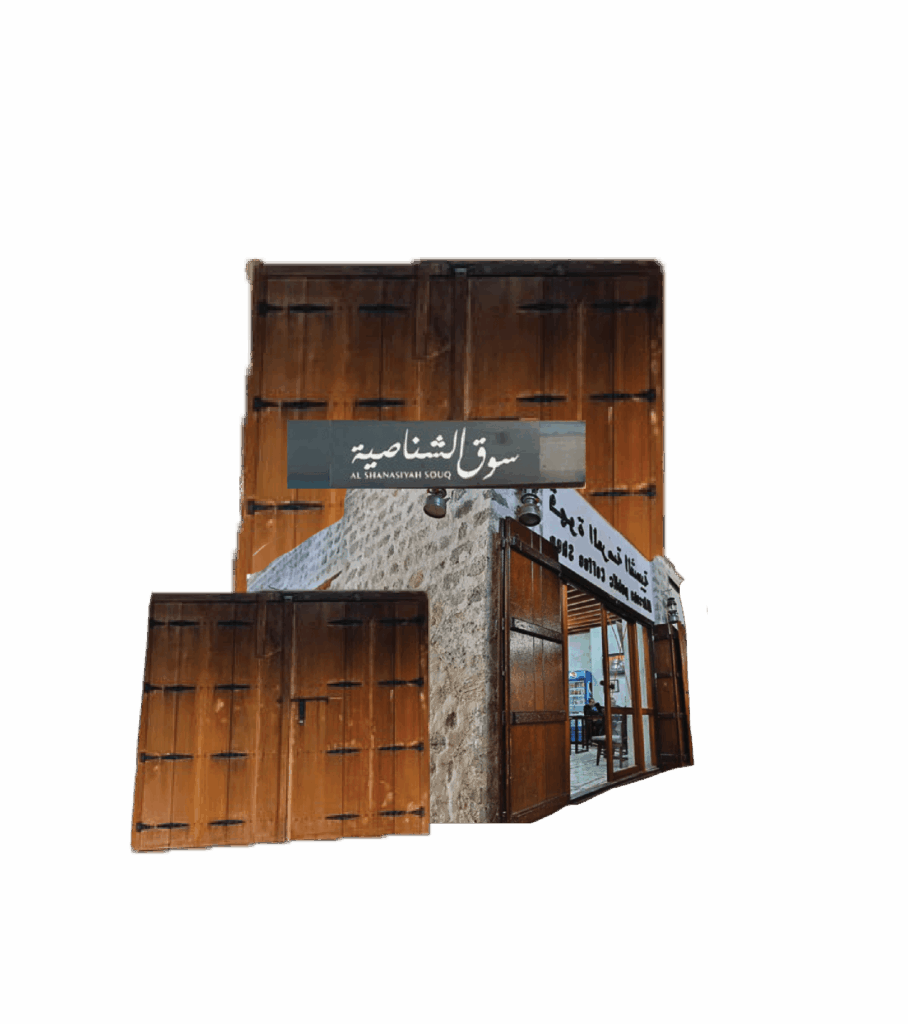
Souq Al Shanasiyah is a beautifully restored heritage marketplace in the Heart of Sharjah, reflecting the emirate’s rich trading history. Blending traditional architecture with modern retail experiences, the souq features boutique shops, cafés, and artisanal spaces, offering visitors an authentic glimpse into Sharjah’s cultural and commercial past.
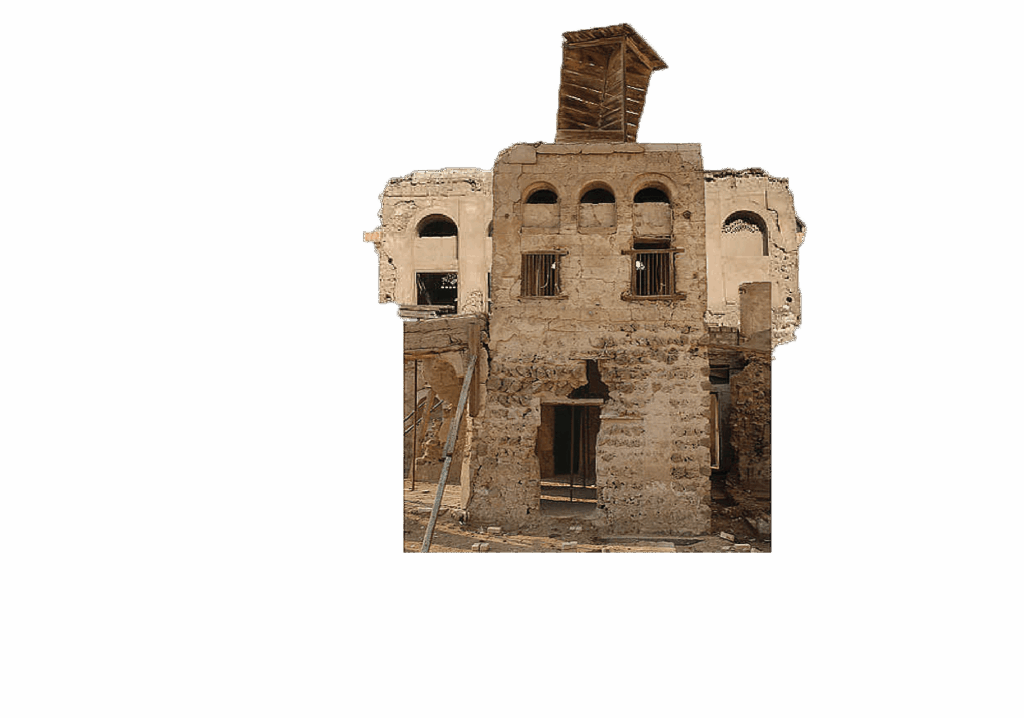
The Bait Al Ansari Museum in the Heart of Sharjah preserves and interprets traditional Emirati architecture and construction techniques. Showcasing historical building methods and conservation practices, it integrates archaeological remains to enhance public awareness while ensuring long-term site conservation and accessibility through an educational, immersive visitor experience.
Al Bait Hotel is a luxury heritage hotel in the Heart of Sharjah, seamlessly blending traditional Emirati architecture with world-class hospitality. Developed as part of a larger cultural revitalisation initiative, the project preserves historic structures while integrating modern comforts, offering guests an immersive experience rooted in Sharjah’s rich heritage.
The Al Jazeera Perfumes Museum in Msheireb, Doha, celebrates the rich heritage of Arabian perfumery. Showcasing rare fragrances, traditional ingredients, and interactive displays, the museum offers an immersive journey into the artistry and cultural sig